Author: shahid87341

  • 3 Crazy Apps for Android You Need to Install Right Now

    3 Crazy Apps for Android You Need to Install Right Now

    1. Tasker: The Ultimate Automation Tool

    Tasker is a veritable powerhouse for Android automation. Tasker has the ability to automate almost everything and anything user wants it doable based on enough triggers though, so tasks Tasker can do would end up becoming huge productivity and ergonomics boon. For example, you can have it automatically silence your phone during calendar events such as meetings or control home automation devices when arriving back at home. The app is so versatile, in fact, that it includes more than 200 built-in actions as well as compatibility with third-party plugins — essentially allowing you to use a bunch of different types of software right within Alfred.

    2. TickTick: The Comprehensive Task Manager

    TickTick – To Do List App & Task list is a feature-rich task manager application created to transform lives effectively. It includes functions like deadline tracking, project management and even a Pomodoro timer to help boost concentration. No other task manager does this as well, so with TickTick you can see your whole day at a glance without having to switch between apps. With it’s user-friendly interface and cross-platform support, the app is a must for anybody that can do with an improvement in managing their time — be you student or working professional. The collaborative features it offers are also quite handy for team projects, incorporating a single platform for communication and assigning tasks. FlixVision

    3. Nova Launcher: Customization at Its Best

    Nova Launcher is great for anyone who wants full control over their smartphone. This app lets you mod your Android from the home screen layout to gesture support and icon packs. It is compatible with a variety of widgets, and thousands deep if you decide to really customize your device the way it used run new even on older devices. It is well optimized, providing a great balance between aesthetics and functionality that will surely please users without consuming an excessive amount of battery juice.

    In conclusion, these three apps—Tasker, TickTick, and Nova Launcher—offer unique functionalities that can greatly enhance your Android experience. Whether you’re looking to automate tasks, manage your time more effectively, or customize your phone’s interface, these apps provide the tools you need to optimize your daily life. Dooflix

  • Indian Tractor Pro Simulation And Indian Car Bike Drive Game For Mobile

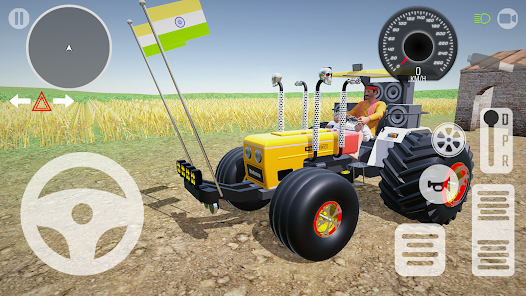
    Indian Tractor Pro Simulation And Indian Car Bike Drive Game For Mobile

    NEXT-GEN GRAPHICS ON THE GO

    Mind-blowing visuals and effects come to life on mobile with high-fidelity rendering. Console-quality graphics are now in the palm of your hand thanks to powerful onboard processors capable of hardware-accelerated HDR. Fully explore stunning open worlds with vivid graphics that enhance every moment.

    MODIFY TO YOUR HEART’S CONTENT

    Personalize every nut and bolt to represent your distinct style. Whether tweaking engine parts or experimenting with new paint jobs, the possibilities are endless. Show off your creativity as you customize your rig from bumper to roof. Make each machine one of a kind—yours is the only limit. Here

    EPIC QUESTS AWAIT

    Set out on over 60 action-packed adventures across a vast countryside. Take on jobs transporting goods over roads and trails. Become a master courier by delivering pipes, crates and more throughout the bustling provinces. Rise through the ranks on your journey toward becoming a pro driver.

    VAST TERRESTRY TO TRAVERSE

    Roam 16 square kilometers of scenic plains, discovering new areas around every turn. The expansive open-world map is filled with pastoral charm, historical sites and other marvels just waiting to be uncovered. Test your mettle on winding roads and off-road trails. Here

  • GTA San Andreas NETFLIX APK

    GTA San Andreas NETFLIX APK

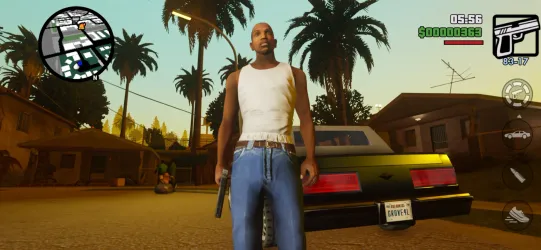
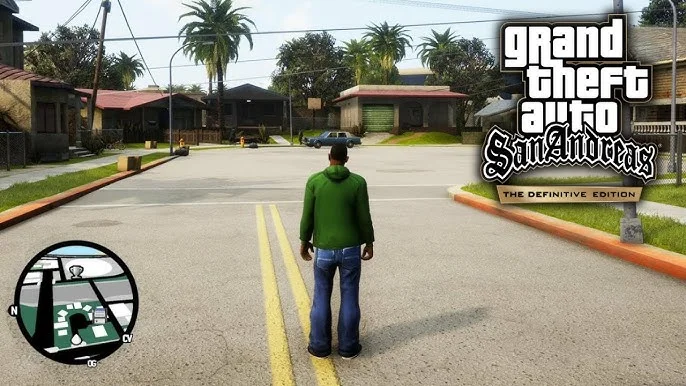
    Although mobile gamers have been getting anxious, the impending release of Grand Theft Auto: The Trilogy – The Definitive Edition was kind expected regarding it also launching for Android and iOS. Rockstar Games is a giant in terms of sweeping open-world games and works on three legendary titles for mobile platforms from time to times: GTA III, GTA: Vice City y GTA San Andreas. And here are the main reasons that this mobile release is so much listened to:

    ### 2. User-interface Tweaks And Touchscreen Controls

    When it comes to AAA titles on mobile devices, the biggest issue has always been control. Rockstar has worked hard to make the controls work on touch devices, including analog and digital versions of movement and combat. The update also includes a new user interface that is easier to use on mobile devices, with improvements for in-game menus, mission systems and vehicle controls.

    ### 3. Cross-Platform Consistency

    The mobile update will feature plenty of the same improvements that are part and parcel with this upcoming console/PC remaster, bringing a similar experience to anyone playing through their phone. It’s obviously not as graphically intensive as its counterparts on more powerful platforms, but the mobile version offers up all of those core enhancements that help to make it the best possible iteration for smaller devices.

    A big feature is likely to be cloud saving which will let users continue where they left off when hopping between devices. On top of that, the games are particularly well-suited for small gameplay sessions in bite-size-morsel form — ideal when working with limited on-the-go mobile gaming.

    The GTA Trilogy will be a real treat for mobile gamers, who can now get their hands on the iconic worlds of Liberty City, GTA Vice City and GTA San Andreas. Relive the nostalgia or experience these titles for the very first time, Rockstar’s potential mobile debut could be one of the biggest releases available.

    Download GTA San Andreas

  • NeMirror Apk

    NeMirror Apk

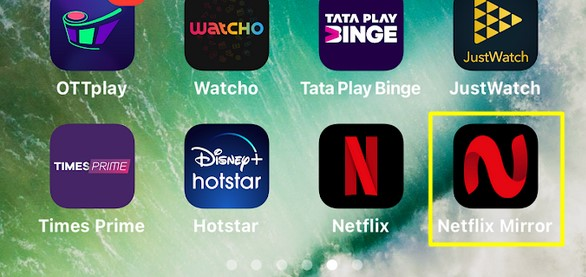
    The Netflix app allows users to stream movies, TV shows, documentaries, and more on various devices, including smartphones, tablets, smart TVs, and gaming consoles. Key features include:

    1. Streaming Content: Access Netflix’s extensive library, with categories like drama, comedy, action, and originals.
    2. Offline Downloads: Download content to watch without an internet connection, especially useful for travel or limited data.
    3. Profiles: Create multiple profiles under one account, allowing personalized recommendations for each user.
    4. Parental Controls: Set up restrictions on content for family-friendly viewing.
    5. Recommendations: Curated suggestions based on your viewing history.
    6. My List: Save titles to a personal list for easy access later.
    7. Subtitles and Audio Options: Choose different subtitle languages or audio tracks, especially for international shows.
    1. APP

    The Netflix app is available for iOS, Android, and most streaming devices. It requires a Netflix subscription plan, which determines the streaming quality and the number of simultaneous streams allowed.

    Netmirror App Supported Devices

    The Netmirror App is super flexible and works on all sorts of devices so you can stream without any hassle. Whether you’re on your phone, watching on a smart TV, or chilling with your computer, Netmirror has got you covered for just about any platform. Let’s check out the devices that you can use with the Netmirror App.

    • Mobile
    • Pc
    • Tv
    • IOS
    • Android

  • Action Games: The Thrill of the Chase

    Introduction

    Action games are a genre that has captivated gamers for decades, transcending generations and technological advancements. Defined by their emphasis on physical challenges, hand-eye coordination, and reaction time, these games invite players into worlds filled with adrenaline-pumping excitement. The landscape of action games is as diverse as it is expansive, encompassing everything from platformers and first-person shooters to beat ’em ups and action-adventure titles. In this comprehensive article, we will explore the evolution of action games, their sub-genres, key elements that define the genre, as well as their impact on culture and society. By the end, readers will have a deeper understanding of why action games remain a cornerstone of the gaming industry.

    The Evolution of Action Games

    Early Beginnings: The 1970s and 1980s

    The roots of action games can be traced back to the early days of video gaming. In the 1970s, simple games like Pong introduced the concept of competition and quick reflexes. The late 1970s saw the advent of arcade games, which laid the groundwork for the action genre. Titles like Space Invaders and Pac-Man were groundbreaking in their design, requiring players to navigate through levels filled with obstacles and enemies.

    The transition into the 1980s marked the emergence of more complex action games. One of the most notable contributions was Donkey Kong, a platformer that combined action with storytelling, introducing characters and objectives that were pivotal for future game design. The release of the Nintendo Entertainment System (NES) in the late 1980s further popularized action games, with iconic titles like Super Mario Bros. and The Legend of Zelda providing gameplay driven by exploration and combat mechanics.

    The Rise of 3D Graphics: The 1990s

    The 1990s heralded a new era in gaming, thanks to the advent of 3D graphics and more sophisticated hardware. This decade saw the emergence of first-person shooters (FPS), a sub-genre of action games that gave players a first-hand perspective of the virtual world. Landmark titles such as Doom and Quake transformed the landscape, offering fast-paced gameplay combined with immersive environments.

    Concurrently, the popularity of fighting games skyrocketed with franchises like Street Fighter and Mortal Kombat, which emphasized competitive play and skill-based mechanics. The introduction of game consoles like the Sony PlayStation and Nintendo 64 allowed for expansive 3D worlds, resulting in action games becoming more narrative-driven, as seen in titles like Final Fantasy VII and The Legend of Zelda: Ocarina of Time.

    The New Millennium: 2000s and Beyond

    As gaming technology progressed into the 2000s, action games continued to evolve. The emergence of online capabilities transformed multiplayer gaming, enabling players across the globe to engage in cooperative or competitive gameplay. Titles like Halo: Combat Evolved and Counter-Strike became emblematic of this era, blending action with strategy and teamwork.

    The 2000s also saw the rise of action-adventure games, combining the mechanics of action games with exploration and puzzle-solving. Series like God of War and Assassin’s Creed captivated players with intricate storylines and expansive worlds, reinforcing the notion that action games can be both thrilling and narratively compelling.

    Key Elements of Action Games

    Gameplay Mechanics

    At the core of action games is their gameplay mechanics, which primarily focus on speed, agility, and reflexes. Players often navigate through levels filled with enemies, obstacles, and challenges that demand quick decision-making and skillful execution.

    1. Combat Systems: Most action games include a form of combat, whether through melee attacks, ranged weapons, or magical abilities. Combat systems can vary significantly, from the button-mashing mechanics of a fighting game to the strategic shooting mechanics of a first-person shooter.
    2. Level Design: Good level design is crucial in action games. Levels often feature dynamic environments that can be interacted with, offering both strategic advantages and obstacles. Designers often incorporate elements such as verticality, hidden paths, and destructible environments to enhance gameplay experiences.
    3. Power-ups and Upgrades: Action games frequently include power-ups, items, or abilities that can enhance a player’s capabilities. This aspect adds an extra layer of strategy, encouraging players to explore and strategize on how to use these enhancements effectively.

    Narrative and Character Development

    While action games are primarily focused on gameplay, many modern titles incorporate complex narratives and rich character development. The emotional stakes of a well-crafted story can enhance the player’s investment in the game. Action games like The Last of Us and Red Dead Redemption illustrate how compelling characters and narratives can coexist with action-oriented gameplay.

    Multiplayer and Community Engagement

    The rise of online gaming has added a new dimension to action games. Many titles now feature robust multiplayer components, allowing players to engage with others in cooperative or competitive modes. The emergence of online platforms has fostered communities, creating a culture around games where players share strategies, experiences, and achievements.

    Sub-Genres of Action Games

    1. Platformers

    Platformers are a classic sub-genre of action games characterized by jumping and climbing. Players navigate through levels filled with platforms, enemies, and obstacles. Iconic titles include Super Mario, Celeste, and Hollow Knight. Platformers often emphasize precise control and timing.

    2. First-Person Shooters (FPS)

    One of the most popular sub-genres, FPS games place players in a first-person perspective, often emphasizing combat with firearms. Renowned titles include Call of Duty, Halo, and Battlefield. FPS games are known for their fast-paced action, strategic gameplay, and competitive multiplayer modes.

    3. Action-Adventure

    Action-adventure games blend action with elements of exploration, puzzle-solving, and storytelling. Famous franchises like The Legend of Zelda, Tomb Raider, and Batman: Arkham Series exemplify this sub-genre. They provide players with a balance of combat and narrative-driven quests.

    4. Fighting Games

    Fighting games focus primarily on one-on-one combat, requiring players to master characters’ unique moves and combos. Prominent examples include Street Fighter, Mortal Kombat, and Tekken. The competitive nature of these games has spawned a thriving eSports scene.

    5. Beat ’em Ups

    Beat ’em ups feature players fighting through waves of enemies, utilizing combos and special moves. Titles like Streets of Rage and Double Dragon are classics in this genre, often more focused on action than complicated narratives.

    6. Shoot ’em Ups (Shmups)

    Shoot ’em up (shmup) games emphasize shooting mechanics and often involve vertically or horizontally scrolling backgrounds. Players face waves of enemies, requiring quick reflexes and strategic movement. Notable titles include Space Invaders, Galaga, and Ikaruga.

    Cultural Impact of Action Games

    Entertainment and Media

    Action games have become a significant part of modern entertainment culture. They are not only played but also watched, with platforms like Twitch and YouTube enabling gamers to stream their playthroughs and generate communities around gameplay. This rise in visibility has transformed how action games are marketed, with eSports tournaments drawing large audiences and offering significant prize pools.

    Narrative Storytelling

    Advancements in technology and game design have allowed for richer and more engaging narratives in action games. Games like The Witcher 3 and Naughty Dog’s titles have demonstrated that action games can deliver emotionally resonant stories, similar to movies and literature. This evolution emphasizes the power of interactive storytelling, where players’ choices can significantly impact the game’s world and outcome.

    Social Commentary

    Many action games have also tackled societal issues and themes, offering players a space to engage with real-world challenges. Games like Spec Ops: The Line examine the psychological impacts of war, while titles such as Fortnite and Call of Duty: Warzone touch on themes of survival and competition in the digital age.

    The Future of Action Games

    Technological Innovations

    As technology continues to advance, so too will action games. The rise of virtual reality (VR) and augmented reality (AR) offers new opportunities for immersive gameplay experiences. Innovations in artificial intelligence (AI) will allow for more responsive and dynamic game worlds, creating a richer gameplay experience.

    Expanded Game Mechanics

    Developers are increasingly experimenting with game mechanics that blend genres. The integration of role-playing elements into action games, seen in titles like The Division and Borderlands, allows for deeper character customization and progression, while still maintaining fast-paced action.

    Growing Accessibility

    The future of action games will also see an emphasis on accessibility. Developers are increasingly focused on creating games that cater to a wider audience, including those with disabilities. Implementing customizable controls and assisted gameplay options will ensure that more players can enjoy action titles.

    Community-Centric Development

    With the rise of player feedback, many developers are taking a community-centric approach to game design. Early access programs and beta testing provide fans with the opportunity to influence game development, leading to experiences that resonate more closely with player expectations.

    Conclusion

    Action games represent a dynamic and multifaceted genre that has evolved alongside the gaming industry. From their humble beginnings in arcades to their current status as major entertainment phenomena, action games continue to captivate audiences worldwide. As technology advances and the gaming community grows, the future of action games appears bright, promising new experiences that will continue to engage, entertain, and challenge players. Whether through explosive combat, intricate narratives, or compelling community interactions, action games will undoubtedly remain a key pillar of the gaming landscape for years to come.

  • The Evolution and Cultural Impact of Arcade Games

    Introduction

    Arcade games have played a significant role in the history of video gaming since their inception in the late 1960s. Emerging from an era of simpler amusements, arcade games have not only transformed how people engage with electronic entertainment but have also forged a lasting cultural legacy. In this article, we will explore the origins of arcade games, their evolution through the decades, their impact on pop culture, their resurgence in modern gaming, and what the future holds for this enchanting form of entertainment.


    The Birth of Arcade Games

    The seeds of arcade gaming were sown in the late 1960s, with the initial forays into computer-based entertainment. The first recorded arcade game was “Computer Space,” developed by Nolan Bushnell and Ted Dabney in 1971. Loosely inspired by the game of “Asteroids,” Computer Space was an early attempt to create an interactive entertainment experience. However, its complex controls made it difficult for casual players, limiting its success.

    In the early 1970s, the introduction of “Pong” by ATARI marked a turning point. Unlike its predecessors, Pong was simple and easy to understand, drawing a broad audience into the emerging gaming phenomenon. Players controlled paddles to hit a ball back and forth, mimicking table tennis. This simplicity resonated with players, allowing Pong to become an emblematic success that transformed ATARI into a household name and heralded the rise of arcade games.


    The Golden Age of Arcade Games

    The late 1970s to mid-1980s is often referred to as the “Golden Age” of arcade games. This era witnessed an explosion of creativity and technological advancement, resulting in a plethora of iconic and influential games. One of the hallmark titles of this period was “Space Invaders,” released by Taito in 1978. It introduced the concept of high scores and competitive play, pushing players to improve their skills and outdo others.

    Another significant title, “Donkey Kong,” launched in 1981 by Nintendo, introduced the character of Mario, who would go on to become one of the most recognizable figures in gaming history. These games showcased vibrant graphics, catchy soundtracks, and addictive gameplay, engaging players of all ages and driving the proliferation of arcade machines across the globe.

    The Golden Age also saw games like “Pac-Man,” “Galaga,” and “Frogger” rise to prominence. Pac-Man, in particular, became a cultural icon; its simple yet engaging mechanics and non-violent nature attracted a diverse audience. The game’s appeal was further amplified by a range of merchandise, including toys, cartoons, and even a popular song that made its way into mainstream culture.


    The Decline of Arcade Games

    While the Golden Age laid the groundwork for arcade gaming’s popularity, the late 1980s and early 1990s brought significant challenges. Home gaming consoles like the Nintendo Entertainment System (NES) and Sega Genesis gained traction, offering gamers the convenience of playing in their living rooms without the need for quarters. The rise of personal computers further contributed to the erosion of arcade dominance.

    The arcade scene began to shift. Many arcade owners struggled to keep up with the costs of maintaining and updating their machines, leading to a decline in the number of arcades. As home gaming technology advanced, players began to appreciate the more immersive experiences offered by consoles and PCs, creating a further schism in the gaming landscape.

    Despite this decline, the arcade continued to thrive in specific niches, particularly in fighting games and rhythm-based games. Titles such as “Street Fighter II” and “Dance Dance Revolution” kept the arcade spirit alive, providing competitive experiences that were challenging to replicate at home.


    Revitalization and the Modern Era of Arcade Games

    As the 21st century approached, the tide began to turn once again for arcade gaming. The advent of retro gaming and a wave of nostalgia for the simpler times of the past prompted a revival of interest in arcade games. Dedicated enthusiasts started to restore vintage machines, and arcade bars made their debut, offering both classic games and newer indie titles in a casual social setting.

    One of the most significant trends in the modern arcade scene is the resurgence of “barcades” — establishments that combine a traditional bar and an arcade. These venues allow patrons to enjoy both craft cocktails and a selection of classic and contemporary arcade games. The social aspect has become a focal point for these locations, building communities around both the nostalgia of vintage games and the thrill of competitive play.

    Moreover, arcade games have adapted in response to contemporary gaming trends. The rise of mobile gaming and handheld devices has brought forth a new generation of arcade-style gameplay that is accessible and portable. Modern titles like “Crossy Road” and “Pac-Man 256” highlight this integration, merging classic gameplay with contemporary aesthetics and mechanics.


    The Cultural Impact of Arcade Games

    Arcade games have left indelible marks on various facets of pop culture. From the 1980s onwards, arcade games have influenced music, fashion, and even film. Movies like “Tron” (1982), “The Wizard” (1989), and “Wreck-It Ralph” (2012) pay homage to the arcade culture, celebrating its history and impact on generations of gamers.

    The phenomenon of “gamer culture” has emerged, with countless fan conventions, gaming tournaments, and online communities dedicated to the appreciation of arcade games. This community aspect fosters connections among players, encourages creativity, and cultivates a sense of belonging among those who share a passion for gaming.

    Additionally, the aesthetics of arcade games have permeated various forms of art. Pixel art has become a popular medium among independent game developers and artists, with many efforts to recreate the charm of retro graphics. The distinct style and retro feel of 8-bit graphics evoke nostalgia, and this has influenced everything from advertising to fashion trends in recent years.


    The Future of Arcade Games

    Looking ahead, the future of arcade gaming appears to be bright, buoyed by evolving technology and a culture that continues to embrace nostalgia while seeking new experiences. Virtual reality (VR) and augmented reality (AR) are steadily increasing in popularity, and their integration into arcade games is likely to yield innovative gameplay experiences that can draw in a new generation of players.

    New gaming technologies will create unique interactive experiences that traditional arcade setups may not have been able to offer. Imagine stepping into a VR arcade where you could physically engage with virtual environments or compete in multiplayer games on a grand scale. The potential for immersion and interactivity is limitless.

    There is also an emerging trend around games that incorporate elements of physical activity. Motion control games, while not strictly arcade games, indicate how the arcade experience might evolve into something more physically engaging. This trend aligns with a growing interest in health and fitness and may inspire the development of arcade experiences that are not just about reaction times but also involve physical movement.

    While the historical foundations of arcade games may be rooted in simplicity, the industry is ripe for further innovation. As players continue to crave social connections and community experiences, traditional arcades are adapting and evolving to remain relevant.


    Conclusion

    Arcade games have journeyed through decades of triumphs, declines, and revivals, profoundly influencing the gaming industry and culture at large. From the humble beginnings of Pong to the diverse and vibrant landscape of modern gaming, arcades have stood as a testament to the joys of interactive entertainment.

    As technology advances and new generations of players emerge, arcade games will undoubtedly continue to evolve. Their ability to adapt to changing tastes while retaining their foundational charm will ensure that arcade games remain a beloved part of gaming history and culture. Whether through retro revival or innovative new experiences, the future of arcade games is filled with potential, promising to entertain and unite players for years to come.

  • Everything You Need to Know About PUBG: The Battle Royale Phenomenon

    In recent years, the gaming world has witnessed the meteoric rise of battle royale games, and few have soared as high as PlayerUnknown’s Battlegrounds (PUBG). Released in 2017, this multiplayer online battle royale game has captivated millions of gamers around the globe with its intense, strategic gameplay and realistic graphics. In this comprehensive article, we’ll delve deep into the universe of PUBG, exploring its history, gameplay mechanics, cultural impact, and much more. Whether you’re a seasoned PUBG player or a curious newcomer, this guide is designed to provide valuable insights into one of the most iconic video games of our time.

    The Origins of PUBG

    Introduction to Battle Royale Genre

    Before exploring PUBG, it’s essential to understand the roots of the battle royale genre. The genre draws inspiration from multiple influences, notably the Japanese film “Battle Royale,” where a group of high school students is forced to eliminate each other until only one survives. The concept evolved into a popular gaming mechanic through mods and games like “DayZ” and “H1Z1,” which began to popularize the last-man-standing formula that would define battle royale games.

    The Birth of PUBG

    PUBG was crafted by Brendan Greene, a game developer with a background in Photoshop and graphic design who stepped into the gaming world as a modder. Greene previously worked on mods for Arma 2 and H1Z1, which laid the groundwork for what would become PUBG. In 2016, he was hired by the South Korean video game company PUBG Corporation, a subsidiary of Bluehole Studio, to develop a standalone battle royale game based on his original concepts.

    After extensive development and testing, PUBG made its official debut in March 2017 through early access on Steam. The game was built with Unreal Engine 4, offering stunning visuals and immersive gameplay that set it apart from its contemporaries. The official release followed in December 2017, and it was an instant success, attracting millions of players worldwide.

    Gameplay Mechanics

    Core Gameplay Loop

    At its core, PUBG operates on a simple premise: a hundred players parachute onto an island and fight to be the last person or team standing. The island is vast, consisting of various terrains such as urban areas, forests, and mountains, providing players with a dynamic landscape for exploration and combat. Players must scavenge for weapons, armor, and supplies while avoiding being caught in a shrinking play zone known as the “blue zone.” The shrinking zone adds a layer of urgency to the gameplay, forcing players into closer encounters and intense combat situations.

    Game Modes

    PUBG offers several game modes, catering to various play styles:

    1. Solo Mode: Players compete individually, relying solely on their skills and strategies to outlast others.
    2. Duo Mode: Two players form a team, allowing for coordination and strategy to defeat opponents.
    3. Squad Mode: Teams of four engage in combat together, promoting teamwork and camaraderie.
    4. Event Modes: Occasionally, PUBG features limited-time events with unique rules and challenges, keeping the gameplay fresh and exciting.

    Weapons and Gear

    The game boasts a wide range of weapons, including handguns, rifles, shotguns, and melee weapons. Each weapon has its own characteristics, such as damage, rate of fire, and accuracy. Players can also find attachments, like scopes and suppressors, to enhance their weapons further.

    In addition to firearms, players can equip various types of armor, helmets, and medical supplies to increase their chances of survival. The tactical aspect of choosing the right loadout based on personal playstyle and the situation at hand adds depth to the overall experience.

    Map Variants

    PUBG currently features several maps, each offering unique environments and strategic elements:

    1. Erangel: The original map, featuring diverse terrains, urban areas, and military installations.
    2. Sanhok: A smaller, more action-oriented map inspired by Southeast Asia, encouraging faster gameplay.
    3. Vikendi: A snowy map that combines urban areas with wilderness, adding challenging visibility conditions.
    4. Karakin: A desert-themed map with distinctive mechanics such as destructible environments.

    Each map presents its own challenges and opportunities, allowing players to adapt their strategies based on the landscape.

    The Cultural Impact of PUBG

    A Global Phenomenon

    PUBG’s popularity transcended geographical boundaries, with a diverse player base across continents. It became a cultural touchstone and inspired a wave of battle royale games, including Fortnite, Apex Legends, and Call of Duty: Warzone. However, PUBG remains unique for its emphasis on realism and strategy.

    PUBG Esports

    The competitive nature of PUBG led to the emergence of esports, with tournaments offering large cash prizes and drawing massive audiences. PUBG Esports events, such as the PUBG Global Championship and PUBG Continental Series, showcase top-tier talent, elevating the game’s status in the esports community.

    Community and Social Interaction

    PUBG’s success can also be attributed to its vibrant community. The game promotes social interaction through teaming up with friends or meeting new players. Online forums, fan art, and streaming platforms like Twitch and YouTube have facilitated discussions, tips, and entertainment surrounding PUBG. The ability to share experiences and create content has fostered a sense of belonging among players.

    Memes and Pop Culture

    As with any popular game, PUBG has inspired countless memes, challenges, and references in popular culture. Phrases like “Winner Winner Chicken Dinner” have entered the vernacular, and in-game moments have become fodder for humorous social media content. PUBG’s impact on culture showcases how video games have shifted from mere entertainment to influential societal phenomena.

    PUBG: The Future

    Continued Development and Updates

    PUBG Corporation has committed to nurturing the game through regular updates and improvements. The developers listen to community feedback, addressing bugs, balancing gameplay, and introducing new features. Seasonal updates often introduce fresh content, such as new maps, weapons, skins, and gameplay mechanics, ensuring the game remains engaging.

    Trends in Battle Royale Gaming

    As the battle royale genre evolves, PUBG will face competition from both established titles and new entrants. The industry trend of blending genres—such as incorporating RPG elements, building mechanics, or incorporating narrative-driven gameplay—could influence PUBG’s future direction. Its ability to adapt while retaining the core elements that fans love will play a crucial role in its longevity.

    The Rise of Mobile PUBG

    Recognizing the extensive mobile gaming market, PUBG was successfully adapted into a mobile version, PUBG Mobile. Launched in 2018, it brought the battle royale experience to smartphones and tablets, achieving runaway success. The mobile adaptation retains core gameplay while providing accessibility to millions of additional players. With the emergence of mobile esports, PUBG Mobile has further solidified PUBG’s influence in the global gaming landscape.

    Tips and Strategies for New Players

    If you’re new to PUBG or looking to improve your game, here are several tips and strategies to help you thrive in the battlefield:

    1. Choose Your Landing Spot Wisely: The starting location can significantly influence your game. Identify areas with ample loot but also consider the player traffic in those regions. Less populated areas allow you to gear up without immediate conflict.
    2. Master the Art of Looting: Time spent looting can make or break your matches. Learn how to quickly find essential items, prioritize what you pick up, and streamline your inventory management.
    3. Be Strategic with Gunfights: Engaging in every encounter can be detrimental. Learn when to fight and when to retreat. Use cover effectively and approach with caution.
    4. Understand the Blue Zone: The blue zone serves as both a shrinking battlefield and a source of strategy. Time your movements to avoid getting caught in the zone while ambushing other players desperately trying to escape.
    5. Utilize Vehicles Wisely: Vehicles can provide crucial mobility and can be used strategically for surprise attacks or quick getaways. However, they can also attract attention, so use them cautiously.
    6. Communicate with Your Team: If playing in a squad or duo, effective communication can make a significant difference. Share information about enemy locations, loot, and strategies to enhance teamwork.
    7. Practice Makes Perfect: Like any skill, improving in PUBG takes time. Engage in practice matches, familiarize yourself with weapons and maps, and learn from your experiences.

    Conclusion

    PlayerUnknown’s Battlegrounds represents more than just a game; it is a cultural phenomenon that has left an indelible mark on the gaming landscape. Through its realistic gameplay mechanics, competitive spirit, and engaging community, PUBG has become a staple for millions of players worldwide. As the battle royale genre continues to evolve, PUBG remains at the forefront, ready to adapt and innovate.

    Whether you’re a lone wolf or a squad player, the thrill of a last-minute victory and the strategic depth of PUBG provides endless enjoyment. So whether you’re dropping onto the island for the first time or you’re a seasoned prospector, get ready to gear up, strategize, and embrace the excitement of battle. Happy gaming!

  • Grand Theft Auto: A Cultural Phenomenon

    Introduction

    The Grand Theft Auto (GTA) series, developed by Rockstar Games, has emerged as one of the most influential and controversial video game franchises in the history of digital entertainment. Since its inception in 1997, GTA has captivated millions of players worldwide, offering them an expansive open-world experience that allows for unprecedented freedom in gameplay. This essay delves into the evolution of the series, its impact on popular culture, its narrative complexity, and the controversies surrounding its content.

    The Evolution of the Series

    The first title, “Grand Theft Auto,” introduced players to a top-down view of urban chaos, allowing them to engage in criminal activities within a pixelated cityscape. However, it was “Grand Theft Auto III,” released in 2001, that revolutionized the franchise. By shifting to a fully 3D open world, the game set a new standard for interactive environments, enabling players to explore the fictional Liberty City in a manner previously unseen in video gaming. This groundbreaking shift laid the groundwork for subsequent titles, including “GTA: Vice City,” “GTA: San Andreas,” “GTA IV,” and “GTA V,” each of which expanded upon the series’ core concepts of crime, exploration, and a richly detailed urban landscape.

    Narrative Complexity

    A hallmark of the GTA series is its ability to weave intricate narratives that often serve as social commentary on contemporary issues. Characters are typically flawed, complex individuals who navigate a world rife with moral ambiguity. For instance, “GTA V” features three protagonists—Michael, Franklin, and Trevor—each representing different social strata and ideologies. Their interconnected stories highlight themes of greed, betrayal, and the pursuit of the American Dream, echoing real-world societal concerns. Furthermore, the series often parodies American culture, drawing attention to issues such as consumerism, racism, and corruption through satirical storytelling and dialogue.

    Cultural Impact

    The cultural impact of Grand Theft Auto cannot be understated. The series has transcended gaming to become a staple in popular culture, influencing films, music, and literature. Its depiction of crime and urban life has resonated with broader societal narratives, making it a point of reference in discussions about morality in media. The franchise has spawned a myriad of merchandise and has inspired countless artists and creators across various media. Additionally, iconic songs featured in the game’s expansive radio stations have revitalized interest in classic music, further blending the line between gaming and cultural experiences.

    Controversies and Criticism

    Despite its accolades, Grand Theft Auto has faced considerable criticism. The graphic violence, sexual content, and portrayal of marginalized groups have sparked debates about the influence of video games on behavior and morality. Critics argue that such portrayals glorify violence and contribute to a desensitized society. Noteworthy incidents, such as the 2003 court case where the series was linked to real-world violence, have fueled discussions regarding regulation and the responsibilities of game developers. In response, Rockstar has often defended its artistic intent, arguing for the importance of context in understanding the themes presented within the game.

    Conclusion

    The Grand Theft Auto series stands as a monumental achievement within the gaming industry, shaping not only the landscape of interactive entertainment but also influencing cultural discourse. Its evolution from a simple top-down perspective to a richly detailed open-world experience reflects not only advancements in technology but also a deepening of narrative complexity. While its content remains divisive, the discussions it sparks about morality, society, and the nature of entertainment continue to make it a significant case study in modern media. As the series progresses, its ability to challenge conventions and provoke thought ensures its place in the annals of cultural history.

Adblock Detected!

Our website is made possible by displaying online advertisements to our visitors. Please consider supporting us by whitelisting our website.